Housing

Show Only ...
Maps - Photos - Videos

How Many Homes Do Corporate Landlords Really Own? – The New York Times

How Many Homes Do Corporate Landlords Really Own? – The New York Times

While real estate analysts typically define large institutional landlords as those who own at least 1,000 properties, the 21st Century ROAD to Housing Act aims to place purchasing restrictions on landlords with at least 350 properties. But even with the lowered threshold, only about 140 institutional investors in the U.S. meet the criteria, accounting for 0.59 percent of single-family homes. To spot large landlords’ effect on housing, squint and zoom in: Their ownership of single-family homes tends to be concentrated in certain regions. The markets where landlords with 350 or more properties own at least 3 percent of single-family homes are all in the Sun Belt. In Atlanta, such investors own about 4 percent of all single-family homes — the highest rate in the country. A tighter focus on the four Atlanta ZIP codes with the most large-scale owners reveals that they own 12 percent or more of the single-family homes.

Manufactured Housing is very odd the state’s assessment records

Manufactured Housing is very odd the state’s assessment records. Some towns assessors don’t use that code at all, preferring to either leave the housing style field blank or describing such structures as Ranch style. For example, Coeymans doesn’t have a single building that is Manufactured Housing but Cario has several hundred. In some towns its inconsistent – varies widely by property – probably whoever was assessor at the time.

But then again, assessment records are riddled with errors. If you look at the City of Albany assessment records, only two buildings were built before 1850, a fact that doesn’t take long to disprove.

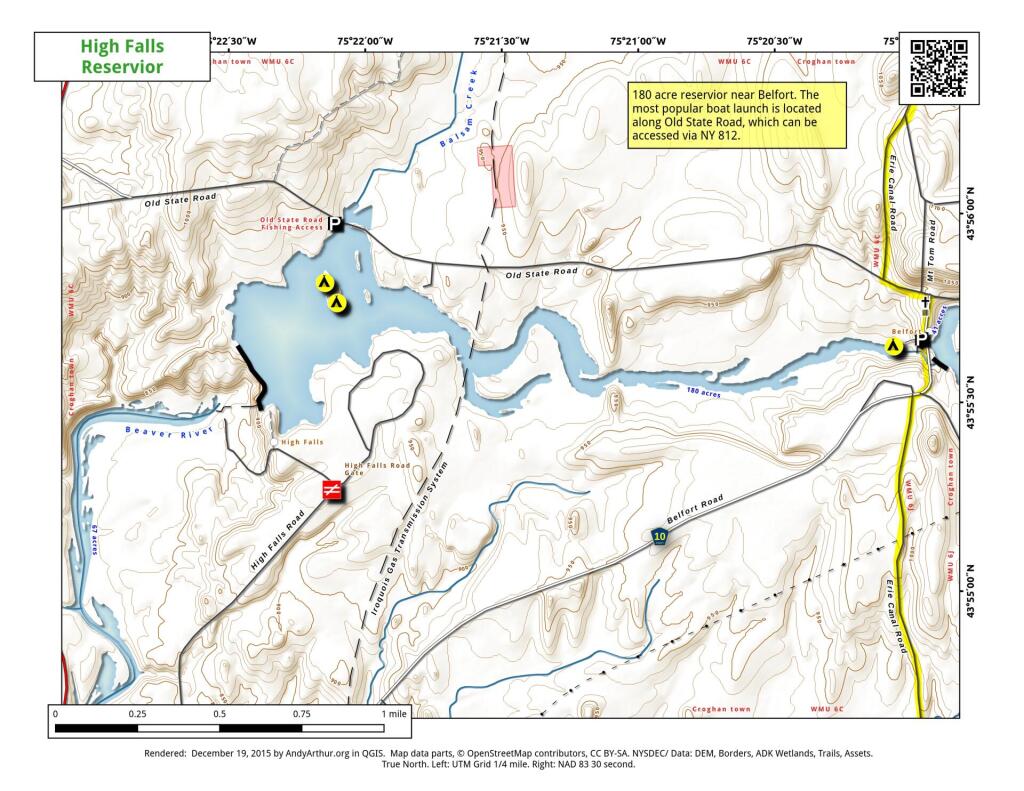
200-Year Old Houses in New York State

I was playing around with the NYS GIS / Tax Map Feature Service, and realized it was pretty easy to query any building that was built in the state prior to 1820. The trick is keep the query narrow enough so you don't request too many points -- the feature server is limited to something like 1,000 points per request, although your browser will crash before then.

Renters vs Population Density – NY Census Tracts

I was a bit surprised to see that there isn't a stronger correlation between population density and the percent of the population that rents. But maybe it's because often Census Tracts contains things besides residential properties like roads, parks, and businesses.

Renters vs Population Density - NY Census Tracts

How States and Cities Decimated Americans’ Lowest-Cost Housing Option | The Pew Charitable Trusts

How States and Cities Decimated Americans’ Lowest-Cost Housing Option | The Pew Charitable Trusts

Low-cost micro-units, often called single-room occupancies, or SROs, were once a reliable form of housing for the United States’ poorest residents of, and newcomers to, New York, Chicago, San Francisco, and many other major U.S. cities. Well into the 20th century, SROs were the least expensive option on the housing market, providing a small room with a shared bathroom and sometimes a shared kitchen for a price that is unimaginable today—as little as $100 to $300 a month (in 2025 dollars).

In the late 19th and early 20th centuries, landlords converted thousands of houses, hotels, apartment buildings, and commercial buildings into SROs, and by 1950, SRO units made up about 10% of all rental units in some major cities. But beginning in the mid-1950s, as some politicians and vocal members of the public turned against SROs and the people who lived in them, major cities across the country revised zoning and building codes to force or encourage landlords to eliminate SRO units and to prohibit the development of new ones. Over the next several decades, governments and developers gradually demolished thousands of SROs or converted them to other uses, including boutique hotels for tourists. And as SROs disappeared, homelessness—which had been rare from at least the end of the Great Depression to the late 1970s—exploded nationwide.