In the filing, Justice Department lawyers representing the Social Security Administration wrote that two SSA DOGE employees were referred to a federal watchdog to determine whether they violated a law barring government employees from using their job for political activity, known as the Hatch Act.
The unnamed employees secretly conferred with a political advocacy group about a request to match Social Security data with state voter rolls to "find evidence of voter fraud and to overturn election results in certain States," the filing said. It remains unclear whether any data actually went to this group.
"Based on its review of records obtained during or after October 2025, SSA identified communications, use of data, and other actions by the then-SSA DOGE Team that were potentially outside of SSA policy and/or noncompliant with the District Court's March 20, 2025, temporary restraining order," DOJ attorneys wrote.
DOGE team members also circumvented IT rules to improperly share data on outside servers, sent a password-protected file of private records to DOGE affiliates outside the agency and had the ability to see data even after a judge temporarily halted access.
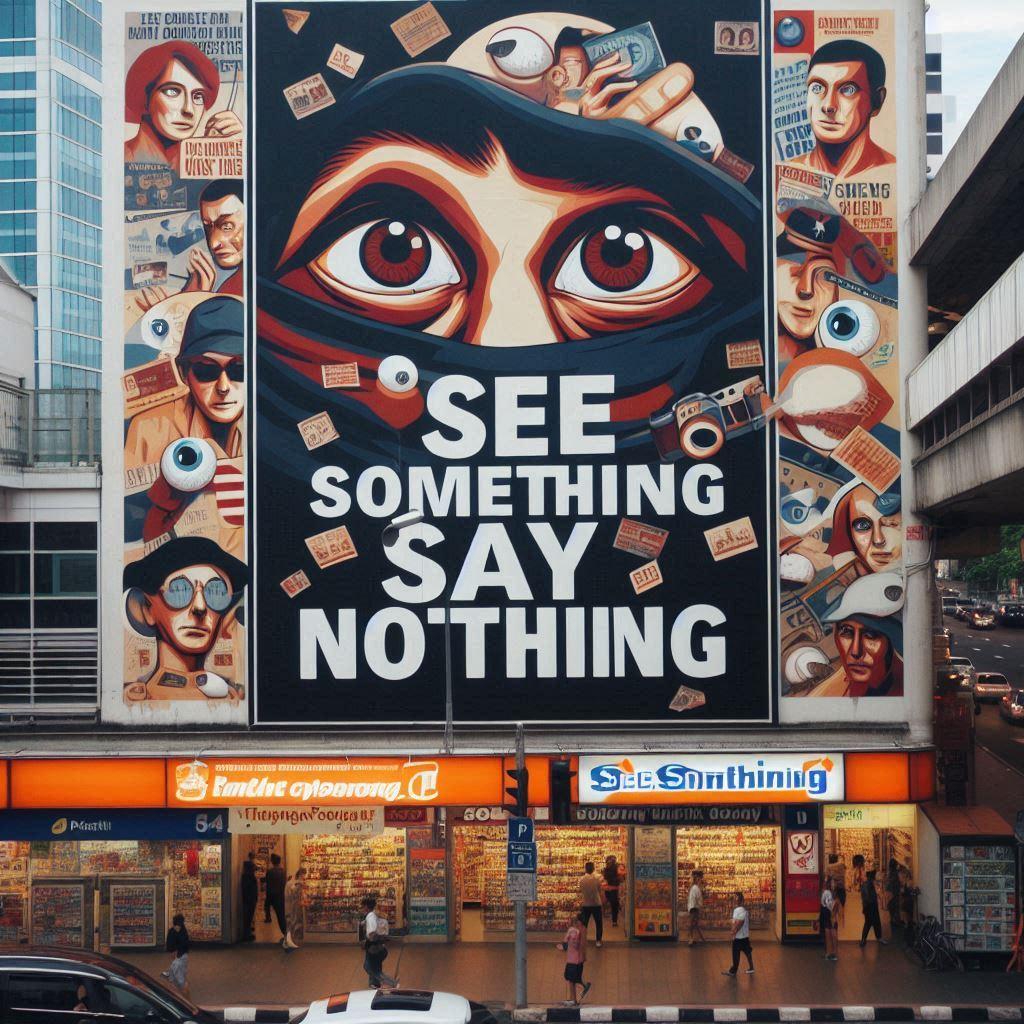
Imagine strolling down a busy city street and snapping a photo of a stranger then uploading it into a search engine that almost instantaneously helps you identify the person.
This isn't a hypothetical. It's possible now, thanks to a website called PimEyes, considered one of the most powerful publicly available facial recognition tools online.
That website is pretty neat. Works well for me with all the pictures of me on the blog, lol.
It turns out that computer security is much more straightforward then you might think. Just use your head, and be aware that people are looking to gain access whenever you are most vulnerable or stressed.
While I should do this more frequently, I finally checked www.annualcreditreport.com, which is the US government’s authorized way to getting your annual credit report for free. No surprises here, but I have to admit I hadn’t checked it in quite a while.
I probably should check it more often – one of my credit cards I’ve had for years was closed last month due to inactivity. Which is fine, but it’s kind of good to know before I tried to use it somewhere. I don’t remember the bank notifying me about the closed account. Which means I now have less credit then probably most dogs in America, and while credit score is in the shitter because I told the bank to give me low credit limit far below was authorized, but I don’t care as I rarely buy things.
I should be more careful. One of my bank accounts passwords were hacked a while back (but stopped by two-way authentication and a call from the bank), and I had that issue with that gun that I tried to buy a few years back at a famously anti-second amendment Big Box retailer that is locally all around and famously shitty to do business. I was denied because I was told that I had previously tried to purchase it somewhere else as labeled a Straw Buyer in NICS over the transaction. I never got any answers on that from the store or the police department, but I think the clerk just entered the wrong store number. Yeah, I’m still bitter about that one.
A data broker has been selling raw location data about individual people to federal, state, and local law enforcement agencies, EFF has learned. This personal data isn’t gathered from cell phone towers or tech giants like Google — it’s obtained by the broker via thousands of different apps on Android and iOS app stores as part of the larger location data marketplace.
The company, Fog Data Science, has claimed in marketing materials that it has “billions” of data points about “over 250 million” devices and that its data can be used to learn about where its subjects work, live, and associate. Fog sells access to this data via a web application, called Fog Reveal, that lets customers point and click to access detailed histories of regular people’s lives. This panoptic surveillance apparatus is offered to state highway patrols, local police departments, and county sheriffs across the country for less than $10,000 per year.